
High Protein Diet for
Weight Loss Brisbane
Protein is the single most powerful nutritional lever for fat loss in women — and most Brisbane women aren't eating nearly enough. Angela explains why it matters,how much you need,and how to hit your targets without obsessing over food.
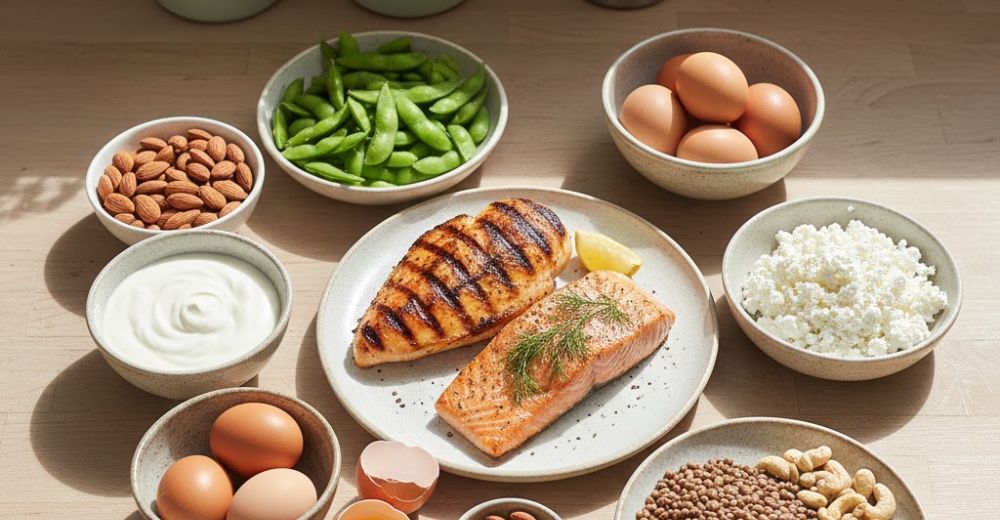

Protein doesn't just feed muscle. It drives fat loss in ways no other macro can.
Why Protein Is the Most
Important Macro for Fat Loss
Of all the nutritional changes a woman can make to accelerate fat loss,increasing protein consistently produces the strongest results — and yet most women are significantly under-eating it.
The typical Australian woman gets around 50–70g of protein per day. For meaningful fat loss and muscle preservation,most women need 100–140g or more — depending on body weight,activity level,and goals.
This isn't about bulking up or eating like an athlete. Adequate protein keeps you fuller for longer,preserves the muscle that keeps your metabolism running,and actively increases the amount of energy your body burns digesting food. No other macro does all three.
Angela's nutrition coaching shows Brisbane women exactly how to hit their protein targets practically — with real food,in real life,without obsessing over every meal.
Book a Free Discovery CallSix Ways Protein
Drives Fat Loss in Women
These are the mechanisms that make protein so uniquely powerful — especially for women in a calorie deficit.
Your body burns 20–30% of the calories in protein just to digest it — compared to 5–10% for carbs and 0–3% for fats. Eating more protein effectively increases your daily calorie burn without any extra exercise.
Protein triggers stronger fullness signals than any other macronutrient — reducing overall appetite and naturally lowering calorie intake without requiring active restriction or willpower.
During a calorie deficit,your body will burn muscle as well as fat for energy — unless protein intake is high enough to signal that muscle needs to be preserved. Losing muscle slows your metabolism and makes future fat loss harder.
Protein slows the absorption of carbohydrates,reducing post-meal blood sugar spikes and crashes — which are a primary driver of afternoon cravings,energy dips,and hunger between meals.
High protein intake is one of the most effective strategies for protecting metabolic rate during a calorie deficit — reducing the metabolic adaptation that makes extended fat loss phases progressively harder.
Protein supports the production of serotonin and melatonin — neurotransmitters involved in sleep regulation. Better sleep directly improves hunger hormone balance,reducing ghrelin (hunger) and increasing leptin (satiety) the next day.
How Much Protein Do
You Actually Need?
It depends on your weight,goals,and activity level. Angela calculates this precisely for every client — but here are the general guidelines.
The minimum recommended protein intake for women in a calorie deficit — enough to meaningfully preserve muscle and support satiety,but not optimised for maximum fat loss results.
Angela's recommended target for most of her Brisbane clients — maximises satiety,muscle preservation,thermic effect,and metabolic protection during a calorie deficit.
For women training 4+ times per week with significant strength work — supporting muscle repair,recovery,and growth alongside fat loss goals.
High-Protein Foods
That Fit Real Life
You don't need protein shakes at every meal. These are the everyday foods Angela builds into Brisbane women's meal plans.
High Protein Myths
Angela Hears Every Week
Building significant muscle mass requires months of progressive resistance training at very high intensity,plus a calorie surplus. Eating adequate protein while in a calorie deficit for fat loss will not cause bulk — it will help you look leaner.
This concern applies to people with pre-existing kidney disease. For healthy women,research consistently shows that high protein intakes (up to 2.4g/kg) are safe and well-tolerated. Angela always recommends consulting your GP if you have any health concerns.
Protein shakes are convenient,not necessary. Most women can hit their protein targets entirely through whole foods — chicken,fish,eggs,dairy,legumes. Angela builds real-food solutions into every meal plan before recommending supplements.
This is a persistent fitness industry myth with no meaningful basis in current research. Your body can absorb and use protein from any size meal — what matters is total daily protein intake,not per-meal distribution (though spreading it through the day does support satiety and muscle protein synthesis).
Results from Angela's
Protein-First Approach
"The protein focus was the single biggest change in my diet. I went from being constantly hungry and snacking all afternoon to genuinely full after lunch. I wasn't eating less food — I was just eating more protein. The weight started dropping almost immediately."
"I'd been eating about 60g of protein a day — Angela showed me I needed 130g for my goals. I thought that would be impossible but she built it into my meal plan with everyday foods I already liked. The difference in my hunger levels was immediate and dramatic."
"I was scared of protein shakes and chicken every meal. Angela showed me how to hit my targets with food I actually enjoy — Greek yoghurt,eggs,tinned fish,legumes. Six weeks in and I've lost 4.5kg while feeling more satisfied than any diet I've ever tried."
Questions About
Protein for Weight Loss
Not necessarily at every single meal,but distributing protein across 3–4 meals throughout the day does support satiety and muscle protein synthesis. Angela builds protein-rich options into breakfast,lunch,and dinner as a foundation — then adjusts based on your preferences and schedule.
Yes — though it requires more planning. Plant proteins are generally less bioavailable than animal proteins,meaning you need to eat somewhat more total protein to get the same effective amount. Angela has significant experience building high-protein plant-based meal plans using legumes,tofu,tempeh,edamame,and complementary protein combinations.
Not if your total calorie intake remains controlled. Protein is 4 calories per gram — the same as carbohydrates. Adding protein without reducing other macros would increase total calories. Angela builds protein targets into your total calorie and macro plan so they work together — not against each other.
Book a free 20-minute discovery call with Angela. She'll calculate your TDEE,set your calorie target,and determine your personalised protein goal based on your body weight,activity level,and specific fat loss objectives. No guesswork,no generic formulas.
Ready to Find Out Your
Personalised Protein Target?
Book a free 20-minute call with Angela. She'll calculate your exact protein and calorie targets — and build a meal plan that hits them with food you actually enjoy.
